


Background
NOTE: THIS AUCTION HAS BUYERS FEES OF 7% + VAT ON TOP OF THE "HAMMER". OUR NEW "NO BUYERS FEES" MODEL WILL ROLL-OUT IN 2026.
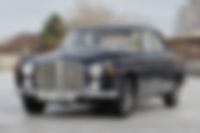
First badged as the Rover ‘3-litre’ thanks to its straight-six 2,995cc engine, the P5 broke cover in 1958. Born into a world of men wearing beige cardigans with suede elbow protectors and housewives in headscarves, a 115bhp family saloon was quite the thing, even if it did suffer drum brakes all round.
Still, given that the P5 took more than 17 seconds to amble to 60mph on its way to a top speed that couldn’t breach three figures, the brakes were rarely a cause for complaint.
But, power steering was available on the options list and the P5 has all-independent suspension, so all was not completely lost, especially as it is so bloomin’ comfy thanks to lashings of wood, leather, and chrome.
The MKII version arrived in 1962 bringing with it another 14bhp and much improved suspension. The Coupé came along later in the year, offering a much lower roofline while retaining all four doors, rather than the more usual two that other manufacturers insisted were de rigueur; the P5 was now a sensationally good-looking car, albeit still a very sensible one.
The MKIII of October 1965 brought more power and luxury, most notably in the form of individual rear seats rather than the bench-style buyers had been used to.
The 3.5-litre, V8-powered P5B - in a nod to the engine’s source, the ‘B’ here stands for Buick, the chaps who supplied the engine - was the final iteration of the Rover P5 range of cars.
Arriving in 1967, the V8 engine is mated to the Borg Warner Type-35 automatic gearbox and guided via Hydrosteer variable ratio power steering, making the P5B a surprisingly modern car to drive, despite its somewhat staid looks.
